


Why Do Gua Sha Marks Appear? Understanding This Traditional Chinese Medicine Treatment.
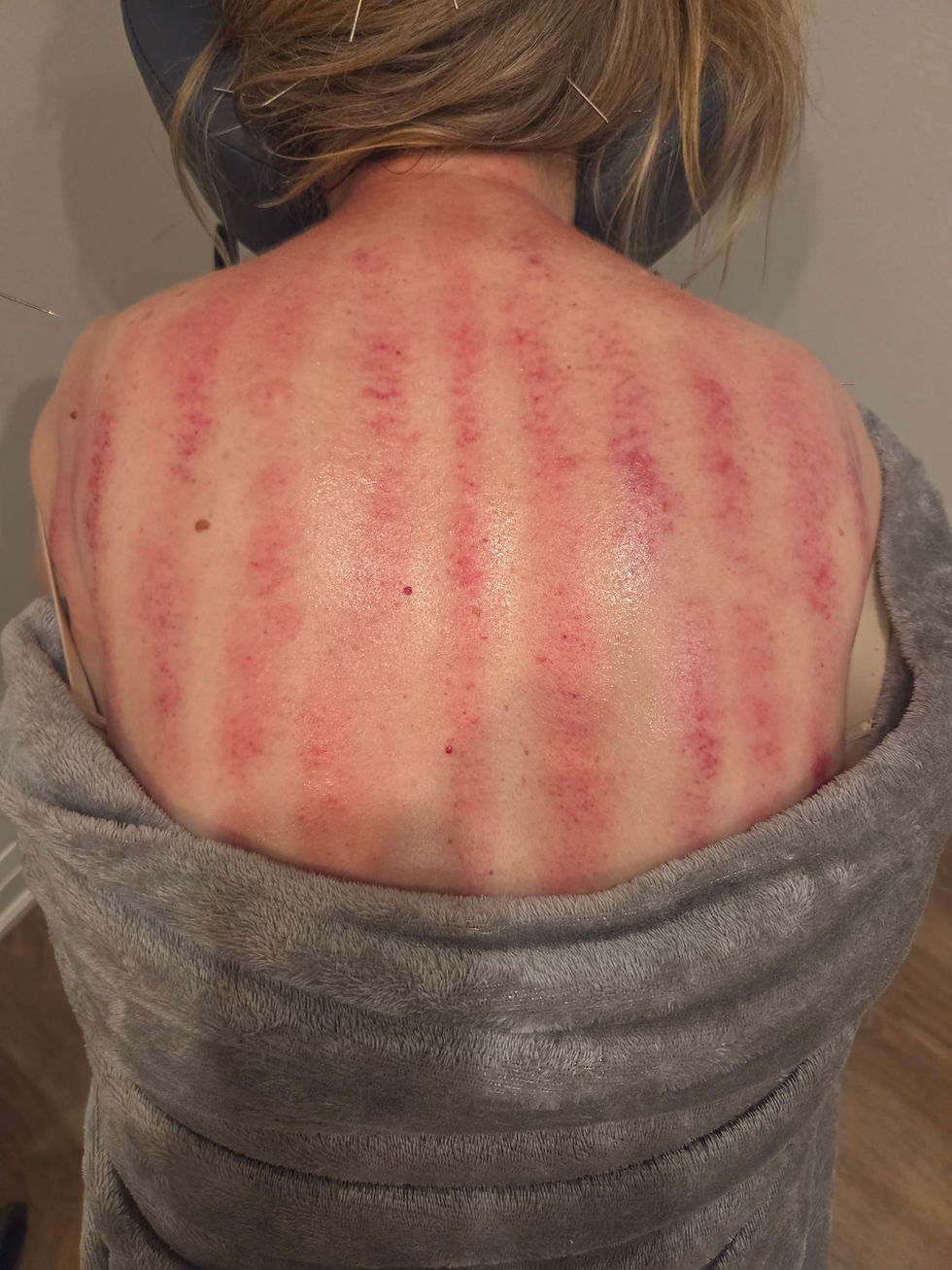
If you’ve ever seen someone after a gua sha treatment, you’ve probably noticed the red or purple marks left on their skin. While these marks can look alarming at first, they’re actually a completely normal part of the treatment – and they’re not bruises.
At JC Healing, one of the most common questions we hear is “Is that supposed to happen?” The answer is yes! Let’s explore why gua sha marks appear, what they mean, and how this Traditional Chinese Medicine technique can benefit your health.
What is Gua Sha?
Gua sha is a Traditional Chinese Medicine (TCM) therapy that involves gently gliding a smooth-edged tool across the skin using massage oil. The technique helps improve circulation, release muscle tension, and encourage the body’s natural healing response.
Although it’s commonly used on the back, shoulders, and neck, gua sha can also be performed on the face using a much gentler technique for facial rejuvenation and lymphatic drainage.
Why Do Gua Sha Marks Appear?
The temporary red or purple marks that may appear after treatment are called sha.
These marks develop because the scraping motion increases circulation, bringing stagnant blood and fluid closer to the skin’s surface. In TCM, this stagnation is thought to contribute to pain, tightness, and restricted movement.
The appearance of the marks varies from person to person. Some people experience only light pink areas, while others may develop darker red or purple marks depending on the amount of stagnation present.
The good news? These marks are temporary and usually fade within three to seven days.
Are Gua Sha Marks Bruises?
No. Although they can resemble bruises, gua sha marks are different.
Bruises occur because of injury or damaged blood vessels from trauma. Gua sha marks result from increased circulation created by a controlled therapeutic technique. They generally aren’t painful to touch and disappear naturally as your body heals.
Many people actually feel immediate relief from muscle tightness even while the marks are still visible.
The Benefits of Gua Sha
Beyond the temporary marks, gua sha offers many therapeutic benefits, including:
Relieving muscle tension and stiffness
Improving blood circulation
Supporting healthy lymphatic drainage
Promoting relaxation
Reducing inflammation
Helping improve flexibility and mobility
Easing headaches, neck pain, and shoulder discomfort
Supporting the body’s natural healing process
Many patients leave their appointment feeling lighter, looser, and more relaxed.
Does Gua Sha hurt?
Most people are surprised by how comfortable gua sha feels.
The treatment is often described as a firm massage rather than a painful procedure. While you may feel pressure in particularly tight areas, the intensity is always adjusted to your comfort level.
Jennifer customizes every treatment based on your pain tolerance and treatment goals, ensuring the experience is both effective and relaxing.
How Long Do The Marks Last?
The marks typically fade within 3-7 days, although this can vary depending on your circulation, hydration, and overall health.
To support recovery after treatment, it’s helpful to:
Drink plenty of water
Stay warm
Avoid strenuous exercise immediately afterward
Give your body time to rest and recover
As circulation improves over multiple treatments, many people also notice the marks become lighter over time.
Is Gua Sha Right For You?
If you’re dealing with muscle tightness, chronic tension, headaches, neck pain, or simply looking for a natural way to support your body’s healing process, gua sha may be an excellent addition to your wellness routine.
At JC Healing, every treatment is tailored to your individual needs, helping you find relief while supporting your overall health naturally.
Interested in trying gua sha? Book an appointment with Jennifer to experience the benefits for yourself and learn how this time-tested TCM technique can help you feel your best.

Comments