


The Science Behind Collagen: Why It Matters For Healthy Skin
When it comes to healthy, youthful-looking skin, one word comes up again and again: collagen.
You may have seen collagen powders, creams, or supplements advertised everywhere, but what exactly is collagen—and why is it so important?
Understanding how collagen works can help you make informed choices about your skincare and why treatments like microneedling can create long-lasting improvements.
What Is Collagen?
Collagen is the most abundant protein in your body. Think of it as the building blocks or support framework that keeps your skin strong, smooth, and firm.
It's found not only in your skin but also in your:
Bones
Muscles
Tendons
Ligaments
Blood vessels
In your skin, collagen provides structure and elasticity, helping it maintain a youthful appearance while supporting the skin's natural healing process.
Why Do We Lose Collagen?
Unfortunately, collagen production naturally slows as we age.
Starting in our mid-20s, our bodies begin producing less collagen each year. Over time, existing collagen also starts to break down more quickly than it can be replaced.
Several lifestyle factors can speed up collagen loss, including:
Excessive sun exposure
Smoking
Chronic stress
Poor nutrition
Lack of sleep
Environmental pollution
This gradual decline is completely normal, but it often becomes more noticeable as the years go by.
Signs of Collagen Loss
As collagen decreases, you may begin to notice changes in your skin, such as:
Fine lines and wrinkles
Loss of firmness
Thinner-looking skin
Acne scars becoming more noticeable
Enlarged pores
Uneven skin texture
Slower healing after blemishes or irritation
While these changes are a natural part of aging, there are ways to support your skin's ability to rebuild collagen.
Can You Replace Lost Collagen?
Many products claim to "replace" collagen, but the reality is a little more complex.
Collagen creams can help hydrate the skin and improve its appearance temporarily, but collagen molecules are generally too large to penetrate deeply enough to replace the collagen within your skin.
The goal isn't simply to add collagen to the surface—it's to encourage your body to produce more of its own.
How Microneedling Stimulates Collagen Naturally
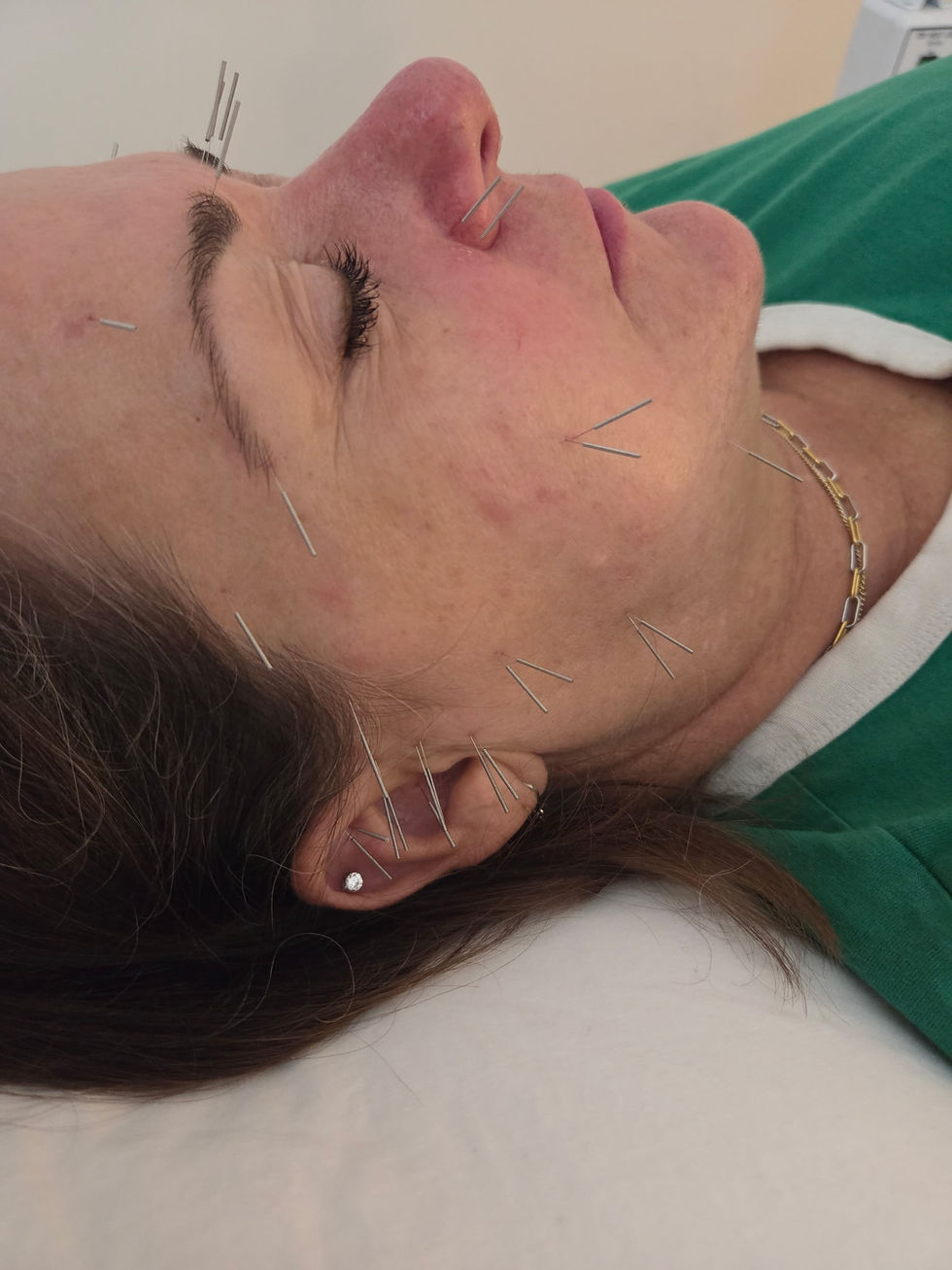
Microneedling works by creating tiny, controlled micro-channels in the skin using fine, sterile needles.
These micro-injuries are carefully controlled and trigger your body's natural healing response. As your skin repairs itself, it increases the production of collagen and elastin.
Over the following weeks and months, this new collagen helps improve the skin from within by:
Softening acne scars
Smoothing fine lines
Improving skin texture
Refining pores
Creating firmer, healthier-looking skin
Supporting a brighter, more even complexion
Because collagen takes time to build, results continue to develop even after your treatment is complete.
Healthy Habits That Support Collagen Production
While professional treatments can stimulate collagen, your daily habits also play an important role in maintaining healthy skin.
Some of the best ways to support collagen production include:
Wearing sunscreen every day
Eating a balanced diet rich in protein, fruits, and vegetables
Staying hydrated
Getting enough sleep
Managing stress
Avoiding smoking
Following a consistent skincare routine
Healthy skin starts with healthy habits.
Can Your Diet Support Healthy Collagen?
While no food can stop the natural aging process, eating a nutrient-rich diet can provide your body with the building blocks it needs to produce collagen and support healthy skin.
Foods That Naturally Contain Collagen
Some foods naturally contain collagen, including:
Bone broth – One of the richest natural sources of collagen.
Chicken – Especially the skin and connective tissues.
Fish – Particularly the skin and bones.
Eggs – While eggs don't contain collagen itself, the membranes found inside the shell contain compounds that support collagen production.
Nutrients That Help Your Body Make Collagen
Your body also needs specific nutrients to produce collagen effectively.
Include plenty of:
Vitamin C – Oranges, strawberries, kiwi, bell peppers, broccoli
Protein – Lean meats, fish, beans, lentils, tofu
Zinc – Pumpkin seeds, chickpeas, beef, seafood
Copper – Nuts, seeds, mushrooms, dark leafy greens
Antioxidants – Berries, leafy greens, colourful vegetables
These nutrients work together to support your skin's natural repair process.
What About Elastin?
Elastin is another important protein that gives your skin its ability to stretch and bounce back.
Unlike collagen, there aren't many foods that contain significant amounts of elastin. Instead, focus on eating foods that provide the nutrients your body needs to maintain healthy connective tissue, including:
Citrus fruits
Leafy greens
Avocados
Nuts and seeds
Fatty fish like salmon
Colourful vegetables
A balanced diet rich in vitamins, minerals, and healthy fats supports both collagen and elastin production over time.
Are Collagen Supplements Worth It?
Collagen supplements have become increasingly popular, and some research suggests they may improve skin hydration and elasticity in certain people, particularly when taken consistently over several months. However, results vary, and supplements should be viewed as one part of an overall approach to skin health—not a replacement for a nutritious diet, sun protection, or professional treatments.
Why Multiple Treatments Often Produce the Best Results
While many clients notice improvements after their first microneedling session, a series of treatments often delivers the most noticeable and long-lasting results. Each appointment builds on the previous one, encouraging continued collagen production and allowing the skin to improve over time.
Jennifer will assess your skin concerns and recommend a personalized treatment plan based on your goals, whether you're looking to reduce acne scars, soften fine lines, or simply achieve healthier, more radiant skin.
Invest in Your Skin's Natural Healing
Healthy skin isn't about chasing perfection—it's about supporting your body's natural ability to repair and renew itself.
By stimulating collagen production naturally, microneedling helps improve your skin from the inside out, creating results that continue to develop long after your appointment.
If you're curious whether microneedling is right for you, book a consultation with Jennifer. Together, you can create a treatment plan tailored to your skin and your goals.

Comments